

7 Common European Travel Mistakes (and How a Travel Advisor Helps You Avoid Them)

Summary: Planning a trip to Europe? The dream of cobblestone streets, centuries-old cathedrals, world-class museums, and unforgettable meals that stretch for hours draws millions of travelers each year. If you're currently researching hotels, comparing train routes, and trying to figure out which attractions require advance tickets, you're probably discovering just how overwhelming European travel planning can be.
As someone who's spent years crafting curated travel experiences throughout Europe, I've seen the same mistakes repeated over and over by travelers who try to plan everything themselves. These mistakes don't just cost you money – they steal time and joy from your vacation. Let me walk you through the seven most common European travel planning mistakes and, more importantly, show you how to avoid them with expert travel planning guidance.
Mistake #1: Trying to See Too Much in Too Little Time
This is, hands down, the biggest European travel mistake I see. Travelers book two-week trips planning to visit London, Paris, Rome, Barcelona, Amsterdam, and Prague. They're exhausted just looking at their itinerary, and I haven't even explained the reality of travel days yet.
Why This Europe Trip Planning Mistake Costs You
Here's what most people don't factor in: travel days between cities aren't sightseeing days. Between checking out of your hotel, getting to the train station or airport, the actual journey, navigating to your next accommodation, and checking in, you've typically lost 4-6 hours minimum. That's half a sightseeing day gone, and you haven't even unpacked.
I always tell my clients that less is more when planning European itineraries. It's far better to truly experience three cities than to rush through six and remember nothing but train stations. When you slow down, you get those magical moments – the spontaneous conversation with a local shopkeeper, the hidden plaza you stumbled upon, the three-hour lunch where you realized you weren't in a hurry to be anywhere else. Those are the memories that last.
How a Travel Advisor Plans Europe Differently
When I design European itineraries, I recommend 3-4 days minimum per major city. For smaller towns, 2 days often suffices. There are also hub cities, a bigger city centrally located where you can also visit smaller towns for day trips! I structure the flow so you're not constantly packing and unpacking, and I ensure travel days connect logically without backtracking across the continent.
Mistake #2: Not Booking Major Attractions in Advance
Picture this: You've dreamed of seeing the Sistine Chapel for years. You arrive at the Vatican Museums at 10 a.m., ready to be amazed, only to discover the line stretches around three city blocks. You'll wait 2-3 hours in the Roman sun, or worse, you won't get in at all because they've reached capacity for the day.
Popular European Attractions That Require Advance Booking
I see this happen constantly with travelers who don't realize that Europe's most popular attractions require advance reservations – sometimes months in advance:
Vatican Museums and Sistine Chapel (Rome)
Uffizi Gallery (Florence)
Anne Frank House (Amsterdam)
Sagrada Familia (Barcelona)
Eiffel Tower Summit (Paris)
Leonardo da Vinci's Last Supper (Milan)
And it's not just about avoiding lines. Some attractions, like Leonardo da Vinci's Last Supper in Milan, have such limited capacity that tickets sell out 3-4 months ahead. If you don't book early, you simply won't see it. I've had heartbroken clients tell me about standing outside the Last Supper viewing room, knowing it was just on the other side of the wall, but they couldn't get in because they didn't plan ahead.
The Travel Advisor Advantage for European Attractions
I know exactly which attractions need advance booking and how far ahead. I reserve everything for my clients as soon as we finalize their itinerary. Not only do they skip the massive general admission lines, but I often book special early morning or after-hours access that makes the experience even more memorable. Imagine having the Sistine Chapel nearly to yourself at 8 a.m. – it's a completely different experience than visiting at noon with thousands of other tourists.
Mistake #3: Underestimating Transportation Complexity
"We'll just figure out the trains when we get there" is a sentence that makes me cringe every time I hear it. European rail systems are fantastic, but they're also complicated if you don't understand how they work.
European Train Travel Mistakes to Avoid
First, there's the confusion about rail passes versus point-to-point tickets. Many travelers buy expensive Eurail passes thinking they'll save money, but they don't realize that high-speed trains require seat reservations with additional fees, sometimes costing as much as a standalone ticket. For many itineraries, individual advance-purchase tickets are actually cheaper.
Then there's the logistics. Which train station do you need? (Rome has three major stations, Paris has six.) Do you need the high-speed train or the regional train?
I've had clients tell me horror stories about missing trains because they went to the wrong station, or arriving at small Italian train stations without taxi services and no idea how to reach their hilltop accommodation. These scenarios add stress to your vacation that's completely avoidable with proper planning.

Expert European Transportation Planning
I map out every single transportation leg with specific details: which station to go to, which train or flight to take, whether you need seat reservations, approximate journey times, and where you'll be met on arrival. For complex connections, I arrange private transfers so there's zero stress. I also know when it makes sense to splurge on convenience (like a private driver from the airport) versus when a train is perfectly fine.
Mistake #4: Choosing the Wrong Accommodations
Location, location, location – it matters even more in Europe than most travelers realize. I constantly see people book hotels that look gorgeous in photos but are located miles from city centers, thinking they'll save money or enjoy a "quieter" experience.
Why Hotel Location Matters for European Travel
Here's the reality: European cities are best explored on foot. Museums, restaurants, historic sites – they're concentrated in central neighborhoods. If you're staying 30 minutes outside the center, you'll waste hours every day commuting, plus the cost of taxis or transit eats up your "savings." I had one couple tell me they "saved" $50 a night by staying outside central Paris, but ended up spending $40 daily on metro tickets and taxis, plus losing 2 hours of sightseeing time each day. That's not a bargain.
Then there's the quality issue. Not all 4-star hotels are created equal, and European rating systems vary by country. That "budget-friendly option" near the train station might be in a sketchy area you wouldn't want to walk through at night.
Common European Accommodation Mistakes
I also see travelers booking accommodations without considering their specific needs:
Families with kids staying in hotels without fridges or microwaves
Multi-generational groups spread across three different hotels blocks apart
Couples celebrating anniversaries in business hotels near convention centers
These mistakes create unnecessary frustration and diminish the vacation experience.
How Travel Advisors Choose the Best European Hotels
I know the neighborhoods intimately. I place clients in locations where they can walk to major attractions and great restaurants, but they're not in the middle of the touristy chaos either. I personally vet every hotel I recommend, ensuring quality, comfort, and that special something that makes a hotel memorable. For families, I find apartment-style accommodations with kitchens and extra space. For couples, I choose romantic boutique properties with character. For multi-generational trips, I arrange connected rooms or suites so everyone stays close. Location and style are matched to your specific needs and budget, not just what looks good in photos.
Mistake #5: Ignoring Cultural Differences and Customs
I've watched American travelers stride into Spanish restaurants at 6 p.m. demanding dinner, only to learn that most places don't even open for dinner until 8 or 9 p.m. I've seen tourists show up at the Louvre on Tuesdays (it's closed) or trying to visit Rome's churches in tank tops and shorts (they'll be turned away).
Important European Cultural Customs for Travelers
European culture is wonderfully diverse, but it's also different from what many American travelers are used to:
Meal times vary dramatically by country
Tipping customs are completely different
Some countries are very formal, others incredibly relaxed
Shops close for midday breaks
Sundays are sacred family days when many businesses are closed
Without understanding these rhythms, you end up frustrated and missing out. You show up for lunch at 2:30 p.m. to find the kitchen closed. You plan an afternoon of shopping only to discover everything shuts down from 1-4 p.m. You dress inappropriately for a nice restaurant and feel uncomfortable all evening.
Cultural Guidance from European Travel Experts
Cultural briefings are built into my planning process. I let clients know when restaurants typically serve meals, how to dress for various venues, which days attractions are closed, and what cultural norms to be aware of. I prepare them for differences in service style, pace of life, and social customs so they feel confident rather than confused. This knowledge turns potential frustrations into opportunities to embrace and enjoy a different way of life.
Mistake #6: Not Having Backup Plans for Weather or Closures
I can't tell you how many travelers I've consoled after their carefully planned day at Cinque Terre was ruined by unexpected rain, or their visit to a specific museum was thwarted by a surprise closure for a national holiday they didn't know about.
Why Flexible European Itineraries Matter
Europe's weather is notoriously unpredictable, and cultural holidays vary by country. That palace you planned to visit? It might be closed for a state function. That outdoor walking tour? Rain could make it miserable. That perfect sunny day at the beach on the Amalfi Coast? The scirocco winds might have other plans.
Smart European Travel Planning with Contingencies
Every itinerary I create has flexibility built in. I provide backup options for rainy days, alternative attractions if something's unexpectedly closed, and I structure schedules so there's room to adapt. I also monitor weather forecasts and local events as your trip approaches, proactively alerting clients to potential issues and suggesting adjustments. And because I have relationships with local guides and suppliers, I can often make last-minute arrangements that would be impossible for independent travelers to secure.
Mistake #7: Missing Hidden Gems and Local Experiences
This might be the saddest mistake of all. Travelers spend all their time hitting the major tourist attractions they've seen on Instagram, eating at touristy restaurants with mediocre food and inflated prices, and missing the authentic experiences that make European travel truly magical.
Beyond Tourist Traps: Authentic European Experiences
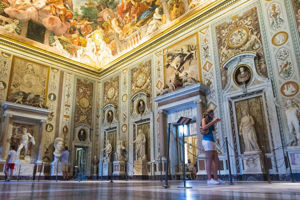
You'll visit the Eiffel Tower but miss the stunning covered passages of Paris's 2nd arrondissement. You'll see the Colosseum but skip the incredible Borghese Gallery that requires reservations but rewards you with masterpieces in an intimate setting. You'll eat overpriced pasta near the Spanish Steps instead of discovering the family-run trattoria in Trastevere where locals actually dine.
The problem is that finding these hidden gems requires insider knowledge. You need to know which small towns near Florence are worth visiting, which markets in Barcelona have the best local food, which specific restaurant in Venice serves authentic Venetian cicchetti instead of tourist traps.
Real Example: The Difference Local Knowledge Makes
I remember one couple who came back from their self-planned Paris trip disappointed because everything felt so touristy and crowded. When I sent clients to Paris the following month, I arranged for them to take a market tour with a local chef in the morning, shop for ingredients, then cook lunch together in a Parisian apartment. They told me later it was the highlight of their entire European vacation – something they never would have found on their own.
Making Your European Dream a Reality
Planning curated travel in Europe doesn't have to overwhelm you, and it definitely shouldn't steal the excitement from your upcoming adventure. That's where working with someone who knows these destinations intimately makes all the difference.
I've spent years perfecting European itineraries, and I know how to craft experiences that balance iconic attractions with authentic moments. I know which three cities make the perfect combination for first-timers versus seasoned travelers. I know when to splurge and when to save. I know how to structure your days so you see incredible things without feeling exhausted. Most importantly, I handle all those details that can turn trip planning into a second job:
Train bookings and seat reservations
Museum reservations made months in advance
Hotel selection in exactly the right neighborhood
Backup plans for weather and unexpected closures
Insider access that makes experiences special
All of it.
Because here's the thing: Europe is extraordinary, but getting the most out of your European adventure requires knowledge, relationships, and expertise that comes from doing this professionally for years. The difference between a good trip and an unforgettable one often comes down to details that seem small but matter enormously.
"Your European adventure deserves to be everything you've dreamed about – filled with incredible moments, authentic experiences, and memories that last a lifetime. Not endless hours of research and hoping you got it right."
At Picture Perfect Adventures, I design European experiences that exceed expectations precisely because I've made these mistakes myself early in my career, learned from them, and now ensure my clients never have to. From timing to transportation to daily itineraries to those magical surprises that make trips special, I handle everything so you can focus on the excitement of your upcoming journey.
Ready to stop researching and start experiencing Europe the way it's meant to be explored? Let's design your perfect European adventure together one that includes the iconic moments you've dreamed about and unexpected discoveries that'll surprise and delight you.
Author Bio
Amber Robinson is the founder of Picture Perfect Adventures and a professional travel designer specializing in curated, personalized vacation planning. She helps families, couples, and adventurous travelers navigate trends, logistics, and timing to create meaningful, stress-free travel experiences that last far beyond the trip itself.
FAQ: European Travel Planning Questions Answered
Which countries and cities should I visit in Europe, and in what order?
This is the question I get asked most when planning European vacations! The answer depends on your interests, trip length, and whether it's your first time in Europe.
For first-time Europe travelers with 10-14 days, I typically recommend focusing on 2-3 countries maximum. Classic European itinerary combinations include:
Italy: Rome, Florence, Venice
France and Switzerland: Paris, the French Alps, and Swiss cities
Spain and Portugal: Barcelona, Madrid, Lisbon
The key is creating a logical European travel route without excessive backtracking. I design routes that make geographical sense – for example, flying into Rome, working your way north to Florence and Venice, then either continuing to Switzerland or flying home from Venice. The "order" matters more than you'd think because it affects your energy levels, transportation costs, and overall experience.
How long should I stay in each European city?
Major European cities like Paris, Rome, or Barcelona deserve 3-4 full days minimum. You need time to see the major attractions without rushing, plus experience the rhythm of daily life.
Recommended days per European destination:
Major cities (Paris, Rome, Barcelona, London): 3-4 days
Medium cities (Florence, Venice, Amsterdam): 2-3 days
Small towns (Tuscany, French countryside, Italian Riviera): 1-2 nights
Remember, travel days between destinations aren't sightseeing days – you lose 4-6 hours minimum to logistics. I'd rather see you spend 3 nights in three cities than try to squeeze in five cities where you're constantly packing, unpacking, and feeling exhausted.
When is the best time to visit Europe (season, weather, crowds)?
The best time to visit Europe for most travelers is shoulder season: late April through early June, or September through October. You'll get pleasant weather, manageable crowds, and better prices than peak summer.
European travel seasons breakdown:
Summer (July-August): Peak season with hot weather, maximum crowds, and premium prices. Ideal for Mediterranean beaches.
Shoulder Season (April-June, Sept-Oct): Best balance of weather, crowds, and prices
Winter (November-March): Lowest prices and smallest crowds, but shorter daylight and cold weather
Christmas Season (December): Magical Christmas markets despite cold weather
I help clients balance these factors based on their priorities – are you more concerned about weather, budget, or avoiding crowds?
How should I travel between European cities (trains, flights, or car)?
European transportation choice depends entirely on your route and destinations. Here's how I decide for clients:
When to take trains in Europe:
City-to-city travel in countries with excellent rail (France, Italy, Switzerland, Spain)
Often faster than flying when you factor in airport time
High-speed trains for longer distances (Paris to Nice, Rome to Venice)
When to fly in Europe:
Longer distances like London to Rome
Budget airlines can be very affordable if booked early
When rail connections are slow or require multiple changes
European rail passes vs. point-to-point tickets: Rail passes sound appealing but are rarely the best value – individual advance-purchase tickets are usually cheaper. High-speed trains require seat reservations with additional fees that reduce pass savings.
When to rent a car in Europe: Never for major cities (parking is expensive and stressful), but perfect for countryside regions like Tuscany, Provence, or the Scottish Highlands.
What type of accommodations work best for European travel?
Choosing the right European accommodation depends on your travel style and needs:
Boutique hotels: Perfect for couples wanting classic European charm, central locations, character, and often breakfast included
Apartments: Best for families or groups staying 3+ nights. Kitchens save money on dining out, multiple bedrooms provide space
Luxury hotels: Five-star properties with concierge services, spas, and exceptional restaurants for high-end travelers
Location priority: I'd rather place you in a well-located 3-star hotel than a distant 5-star property where you'll waste time commuting to attractions.
What are Europe entry requirements and visa needs for US travelers?
For U.S. travelers to Europe:
Most European countries are part of the Schengen Area
Visa-free travel for up to 90 days within a 180-day period
Passport must be valid for at least six months beyond planned departure
Starting in 2025: U.S. travelers will need ETIAS authorization (online visa waiver – simple and inexpensive)
UK travel: Requires separate passport stamp, doesn't count toward Schengen days
I always verify current entry requirements during planning and remind clients to check for last-minute changes before departure.
What's a realistic budget for European travel?
European travel budget varies by style, but here's what I tell clients for moderate-comfort trips:
Daily costs per person:
Mid-range budget: $150-250/day for accommodations, meals, local transportation, attractions
International flights: $600-1,200 from U.S. (varies by season/destination)
Intercity transportation: $200-500 for trains/flights between cities
More expensive European destinations:
Paris, London, Switzerland, Scandinavia
More affordable European destinations:
Portugal, Greece, Eastern Europe, Southern Italy
Money-saving European travel tips:
Travel in shoulder season (April-June, Sept-Oct)
Book accommodations early
Eat lunch as your main meal (lunch menus are cheaper than dinner)
Mix splurge experiences with budget-friendly activities
What European attractions should I book in advance?
Always book these European attractions in advance:
Book 3-4 months ahead:
Leonardo da Vinci's Last Supper (Milan)
Anne Frank House (Amsterdam)
Sagrada Familia tours (Barcelona)
Book 2-3 months ahead:
Vatican Museums and Sistine Chapel (Rome)
Uffizi Gallery (Florence)
Louvre Museum (Paris)
Popular restaurants in foodie cities
Book 1-2 weeks ahead:
Eiffel Tower summit access
Special-access or after-hours tours
Cooking classes and wine tours
Leave flexible:
Neighborhood walking exploration
Local markets
Casual dining
Shopping
Weather-dependent backup activities
I structure itineraries with reserved experiences while building in free time for spontaneity.
How do I handle transportation within European cities?
Most European cities have excellent public transportation – metro, trams, buses – that's far more efficient than taxis.
When multi-day transit passes make sense:
Great value in London and Paris
Not worth it if staying centrally and walking most places
Best ways to get around European cities:
Walking: Often fastest in compact centers (Rome, Florence, Amsterdam)
Metro/subway: Best for longer distances in large cities
Transit apps: Essential for navigation (download before you go)
Taxis/Uber: Splurge for airport transfers when tired and jet-lagged
I provide specific guidance on which transit apps to download and whether to get a pass or pay-per-ride for your specific itinerary.
What about travel insurance and safety for European travel?
Travel insurance for Europe: I strongly recommend comprehensive travel insurance covering:
Medical emergencies
Trip cancellation
Flight delays
Lost luggage
European travel safety tips: Europe is generally very safe, but tourist areas attract pickpockets. High-risk areas for pickpockets:
Major train stations
Metro systems
Crowded tourist attractions (Colosseum, Eiffel Tower, Sagrada Familia)
Practical prevention:
Crossbody bags worn in front
Money belts for passports
Never set phones on restaurant tables
Be aware of distraction techniques
I brief clients on these tactics so they can enjoy their trip confidently without constant worry.


Comments